If you’re new to the world of copywriting, you might feel overwhelmed by the sheer number of tools promising perfect prose in seconds. The good news: you don’t need to be a seasoned wordsmith to get started. The right AI copywriting tools can turn your rough ideas into polished content, with guidance that’s friendly to beginners. Here’s a clever, practical guide to the Best AI Copywriting Tools for Beginners.
I honestly never thought I would use an AI copywriting tool. Today I will tell you the whole process of how I use an AI copywriting tool.
At first, I was a bit skeptical. Because, it seemed strange to hand over my writing work to an artificial intelligence software. However, I changed my mind.
Because, the AI copywriting tools that are now available are amazing at writing SEO copy for product descriptions, ad copy, social media posts, and even entire blog posts.
There are many AI copywriting tools on the market now. But one thing needs to be made clear at the beginning. To be honest, not all of them are the best, and all of them have their own advantages and disadvantages. Rather, it is more realistic to think of it as a quick working assistant.
Best AI Copywriting Tools for Beginners
The right choice depends on your main goal. ChatGPT fits flexible writing tasks, Jasper and Copy.ai focus on marketing, Writesonic supports SEO work, and Rytr offers a lightweight template-based option.
1. Copy.AI
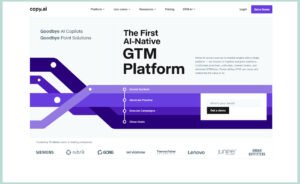
Best for: Sales copy, email campaigns, product messaging, social posts, and repeatable marketing work. Copy.ai’s workflows provide step-by-step guidance, which can feel easier than writing detailed prompts from scratch. Its listed Chat plan costs $29 per month, or $24 per month with annual billing, and includes access to several language models; confirm limits on the official Copy.ai pricing page.
Copy.ai helps new marketers create product descriptions, email copy, social posts, website text, and sales material through guided workflows. Its current platform includes Chat, customizable workflows, brand voice settings, and company information tools.
Use one product brief to create a sequence of related marketing assets, then check each result for accuracy, detail, audience fit, and brand alignment. Workflow credits, integrations, team seats, and export options can affect the total cost. Copy.ai suits beginners who want a guided process for recurring sales and marketing tasks.
2. Rytr
Best for: Emails, product descriptions, ads, social posts, blog sections, and short rewrites. Rytr’s free plan includes 10,000 characters per month, while its listed Unlimited plan costs $7.50 per month with annual billing and its Premium plan costs $24.16; see Rytr’s pricing details before choosing a plan.
Rytr is a practical choice for freelancers, creators, and small businesses. Its free plan allows 10,000 characters per month, while the official pricing page lists paid plans for unlimited generations and added tone and language features.
You can use it for headlines, emails, product descriptions, calls to action, and social content. The tool offers more than 40 use cases, tone choices, editing tools, and a browser extension, though short drafts may sound generic without personal details.
3. Jasper

Best for: Campaign copy, landing pages, emails, blog content, social assets, and brand consistency. Jasper’s marketing templates and brand voice tools can help beginners keep messages aligned across several channels. Its Pro plan is listed at $69 per month when billed monthly or $59 per month with annual billing, with a seven-day trial; Jasper’s pricing page shows current plan details.
Jasper is built for marketing teams that need consistent messaging across campaigns. It supports brand voice, style guides, audience details, campaign content, collaboration, and marketing-specific agents.
A beginner can add brand examples, describe a campaign, and create several related assets in one workspace. Review available integrations, team seats, approval tools, and plan restrictions before paying. Jasper fits marketers who produce regular campaigns and need shared workflows more than open-ended experimentation.
4. WriteSonic

Best for: Blog drafts, article outlines, landing pages, product descriptions, ad copy, content briefs, and SEO planning. Writesonic now places strong focus on AI search visibility, articles, site audits, content optimization, and brand writing styles. Its listed Starter plan costs $79 per month with annual billing and includes 15 AI articles and 10 site audits; see Writesonic’s current plans for usage limits.
That price makes it less attractive for a beginner who only needs short ad copy. It can still help with articles, landing-page sections, and campaign ideas, but fact-check every generated claim and confirm that the selected plan includes the format you need.
SEO features can help organize topics, headings, search intent, and content structure. They can’t guarantee rankings. Add original examples, reliable sources, internal links, firsthand knowledge, and careful editing before publishing. Writesonic is a good fit for beginners who need search-focused content and prefer built-in guidance.
5. ChatGPT
Best for: Brainstorming, outlines, first drafts, rewrites, summaries, audience changes, and content repurposing. ChatGPT can turn one product brief into a blog outline, email, social post, and ad variations. Its free plan has limited access, while paid plans offer higher limits and broader tools; OpenAI’s current pricing page lists the latest options.
ChatGPT can brainstorm angles, draft copy, rewrite paragraphs, summarize research, create interview questions, and adapt one message for several channels. You can control the result with detailed prompts, custom instructions, and project context when available.
Its flexibility is the main benefit. The tradeoff is inconsistency: vague instructions often produce bland copy, while unsupported facts can sound convincing. Check every claim before publication.
Give it the audience, goal, format, length, examples, limits, and desired tone. A useful beginner workflow is to define the reader, request three angles, choose an outline, generate a draft, ask for clearer revisions, then fact-check and edit. Its main limits are generic wording, possible factual errors, and inconsistent brand voice, so it suits users who want a flexible assistant and don’t mind reviewing the output.
What to Compare Before Choosing an AI Copywriting Tool
Guided templates help beginners who don’t know how to write prompts. Chat-based tools offer more freedom but require better briefs and clearer instructions.
Test a free plan or trial with one real task. Choose the simplest interface that handles the content you write most often.
Check support for blogs, product pages, email, ads, social posts, video scripts, and website copy. Test the same brief in two tools and judge the result after editing, not after the first draft.
The strongest tool produces specific copy for your audience. Generic praise and repeated phrases are warning signs.
Compare word or character limits, credits, model access, seats, brand controls, and collaboration tools. A low monthly price may become expensive if you need more credits or several users.
Estimate your monthly workload before upgrading. Solo writers rarely need enterprise permissions or advanced team controls.
How to Get Better Results From AI Copywriting Tools
A detailed brief produces better copy than a short request such as “write a blog post about shoes.” Include the audience, goal, offer, benefits, differentiators, tone, platform, length, call to action, approved terms, product facts, customer objections, and prohibited claims. Examples of existing brand copy can also improve tone matching.
Use a staged process: ask research questions, choose an angle, build an outline, draft each section, request revisions, and proofread the final version. Ask the tool to identify missing information before writing when accuracy matters. Generate several headlines or openings, then improve the strongest option.
Remove clichés, vague benefits, repetition, unsupported claims, and forced calls to action. Add customer language, original examples, firsthand experience, proprietary data, and expert-reviewed facts. Save a short brand guide with voice rules, preferred terms, banned phrases, formatting standards, and reusable prompts for common tasks.
How AI Copywriting Tools Help Beginners
AI can create rough drafts for a blog introduction, product page, welcome email, ad, or social post in seconds. Give it the audience, goal, offer, tone, length, and call to action before asking it to write.
Request three or five versions instead of accepting the first response. Then add your own examples, proof, customer language, and useful details.
Ask an AI tool to simplify technical language, shorten long paragraphs, remove repetition, or make a message more direct. You can also request a sixth-grade reading level, a warmer tone, or a more premium style.
Ask it to flag vague claims, jargon, weak transitions, and empty superlatives. Compare the rewrite with your original so the improved version keeps your intended meaning.
A single offer can become email subject lines, social captions, ad variations, landing-page sections, and calls to action. Start with the core message, then give the tool each channel’s word limit and format.
Review every version for platform fit and brand consistency. A playful social caption shouldn’t sound identical to a product page or a paid search ad.
Conclusion
The best AI copywriting tool for beginners depends on the work you need done. Copy.ai and Jasper suit structured marketing workflows, Rytr fits affordable everyday copy, Writesonic supports articles and ChatGPT offers the most flexible support.
The Best AI Copywriting Tools for Beginners aren’t about replacing your voice; they’re about amplifying it. Start with gentle prompts, keep your edits close at hand, and gradually build a workflow that fits your goals. With the right tool, you’ll turn ideas into engaging copy faster than you thought possible—and you’ll be ready to scale as your confidence grows.
Test two or three tools with the same real assignment. Compare the edited results, plan limits, total cost, ease of use, accuracy, and brand fit. Choose the platform that saves time while helping you publish clearer, more useful copy.